
Best Packaging Company, Eco Friendly Boxes, New Year Packaging, Packaging Information, Packaging Trends
Sustainable Packaging Trends 2026: What’s In, What’s Out, and What Wins

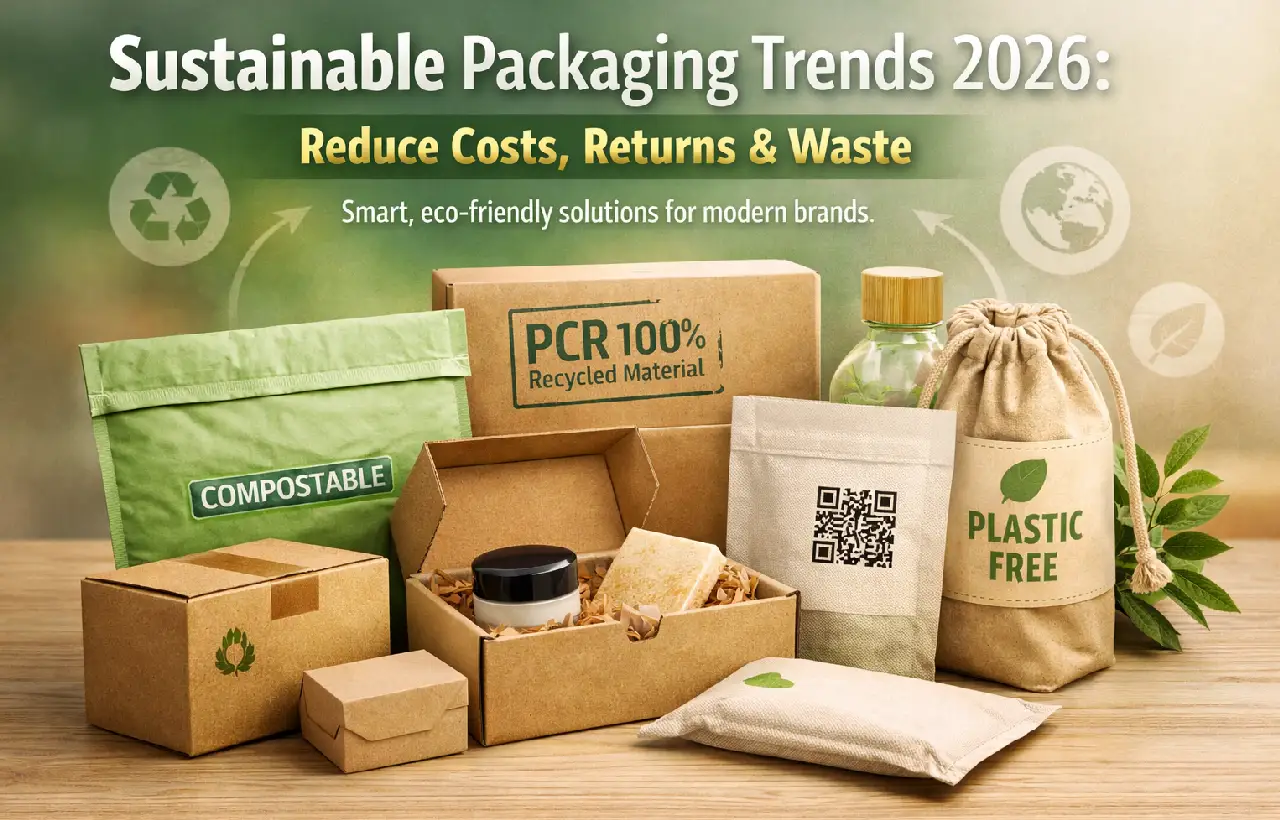
Sustainable Packaging Trends 2026 are forcing brands to rethink every box, bag, and label because returns, damaged goods, and rising courier fees are hitting margins. When a fragile product arrives broken, or a shipment pays extra for wasted space, the real cost is lost trust, more returns, and higher shipping bills. Brands that ignore smarter packaging designs face unhappy customers and rising operational costs.
Many companies are switching materials and systems not just to look green, but to cut costs and simplify logistics. That means lighter boxes, simpler mono-materials that recycle more easily, and labels or QR codes that tell customers how to dispose of packaging correctly. These practical moves protect products, reduce returns, and save on shipping while meeting growing buyer demand for clear, trusted sustainability claims.
Packaging Decisions That Truly Boost Profits and Sustainability
Brands that win in 2026 pick a few strong moves and do them well. Switching to Eco-Friendly Packaging Materials that are easier to recycle or compost removes friction at the recycling bin. Using post-consumer recycled materials (PCR packaging) in boxes and labels proves the brand uses circular content and lowers raw material costs. Reducing weight and size saves freight and lowers carbon, practical wins that protect margins and the planet.
Mono-Material Packaging: The Simpler Way to Recycle
Mixed materials can look premium, but they often end up in landfills because local recycling centers can’t sort them. Mono-material packaging benefits both recycling streams and brand transparency. One material means easier recycling and simpler on-pack guidance, which customers appreciate and regulators reward.
How Smart Labels and QR Codes Are Changing Packaging Rules
Adding QR codes, NFC tags, or simple smart labels gives customers instant disposal guidance and brand stories. Smart sustainable packaging technologies improve traceability and help buyers follow local recycling rules, reducing mis-sorting, contamination, and confusion. That clarity builds trust and lowers complaints.
When Compostable Packaging Works and When It Doesn’t
Compostable packaging solutions are valuable for foodservice and some retail, but claims must match local infrastructure. Certified compostable packaging standards (like EN 13432 and ASTM specs) matter. If a material is industrially compostable but the local area lacks composting, the claim can backfire. Brands should match choices to real end-of-life systems.
Practical Circular Packaging That Customers Actually Use
Circular economy packaging solutions work best when the loop is clear. Reusable packaging models fit subscription and local loop models. Returnable crates, refillable pouches, and deposit systems reward repeat customers and reduce single-use waste. When circular systems are simple, customers take part, and brands save on material costs over time.
How Lightweight Packaging Reduces Damage and Cost
Lightweight eco packaging solutions and right-sizing pack items more efficiently. Less empty space means smaller boxes and lower courier fees. For e-commerce brands, smaller parcels lower damage risk and shipping cost, which is why many big sellers shifted to brown, right-sized packaging recently. It’s a practical win for margins and sustainability.
Simple Packaging Design That Improves Recycling Success
Sustainable Packaging Design Ideas 2026 favor simple lines, fewer adhesives, and clear labels. The minimalist packaging design trend isn’t just aesthetic; it improves recyclability. Use tape and staples sparingly, avoid multi-material windows, and choose inks and adhesives that don’t contaminate recycling streams.
Why PCR and Paperized Materials Are Leading the Pack
Post-consumer recycled materials PCR packaging keeps materials in the loop and reduces virgin demand. Many brands are moving toward paperization, replacing plastic with responsibly sourced paper where it meets performance needs. PCR content and certified paper reduce carbon and meet consumer trust standards.
Safe, Plastic-Free Solutions Your Customers Can Trust
Plastic-free packaging alternatives suit many products, but protection matters. Molded fiber cushions, coated kraft, and compostable liners solve common protection problems while staying plastic-free. Test the materials with real shipping lanes; lower waste must still mean safe delivery.
Niche Packaging Trends That Reduce Landfill Impact
Edible and water-soluble packaging innovations are emerging for single-use food service and niche products. They attract attention and reduce landfill when matched to product types that allow safe contact and shelf life. These innovations are exciting, but they fit specific use cases rather than broad retail rollout.
Clear Labels That Build Customer Confidence
Eco-friendly labeling & QR code packaging give customers instant proof: recycling instructions, carbon data, and material facts. Packaging, sustainability, transparency and labels reduce confusion and let customers act correctly. Clear labels mean fewer contamination issues at the recycling center.
How Smart Packaging Tech Drives Sustainable Results
Smart packaging solutions for sustainability let customers scan to find recycling options by ZIP code, check product passports, or verify compostability. These simple interactions reduce wrong disposal and increase reuse programs. Several big logistics and brand leaders now use smart labeling to guide consumers and reduce waste.
Finding the Perfect Packaging Mix for Your Brand
- Map risks and costs: Track returns, damage, and shipping spend.
- Match materials to end-of-life: If curbside recycling exists, favor recyclable mono-materials or PCR. If industrial composting is available for your area, consider certified compostable options.
- Test protective performance: Ship real orders in pilot runs to check damage rates.
- Right-size and lighten: Use data to trim void space and switch to lightweight options where safe.
- Add simple smart labels: Use QR codes to give disposal instructions and tell your sustainability story.
- Measure ROI: Track savings from lower courier fees, fewer returns, and reduced material spend.
Why Forward-Thinking Brands Track Packaging Compliance
Regulatory pressure and Extended Producer Responsibility (EPR) rules are increasing globally. Brands face requirements to reduce waste, increase recyclability, and report on packaging flows. Preparing now avoids compliance costs and positions brands as compliance leaders.
How Benefits Drive Better Packaging Decisions
Choose packaging that delivers visible benefits: lower shipping costs, fewer returns, clearer consumer instructions, and a trusted sustainability story. Then pick features, PCR percentages, certification, or smart tags that deliver those benefits. That order helps teams make decisions fast and keeps packaging choices customer-centric.
How Little Rock Packaging Helps U.S. Brands
Little Rock Packaging supports U.S. brands with right-sized custom kraft solutions, PCR options, and food-safe compostable liners. Brands choose local production to cut lead times, lower freight carbon, and test prototypes quickly. Trusted manufacturing and clear labeling help brands move fast and minimize risk.
Checklist for Choosing Sustainable Packaging in 2026
- Is the packaging mono-material or clearly recyclable?
- Does it protect the product in real shipping tests?
- Can you prove PCR or compostable claims with certificates?
- Will right-sizing cut your courier costs?
- Do labels or QR codes help customers dispose of correctly?
Steps to Reduce Waste and Save Costs Now
- Run a 100-order pilot with new mono-material packs.
- Add QR codes to 50 SKUs with disposal guidance.
- Test a lightweight box on your top 10 SKUs for 30 days.
- Ask suppliers for PCR certificates and compostable standards.
These quick moves reduce risk and show ROI fast.
Frequently Asked Questions
Q1: What exactly are the top sustainable packaging trends for 2026?
Trends include mono-material designs, increased PCR content, smart labels (QR/NFC), right-sizing and lightweighting, and targeted compostable use where infrastructure exists.
Q2: Is compostable packaging always better than recyclable?
Not always. Compostable helps where industrial or home composting exists. If not, recyclable mono-materials often have better real-world end-of-life outcomes.
Q3: How does smart packaging reduce waste?
Smart tags give disposal instructions and traceability. That reduces contamination in recycling and improves participation in reuse programs.
Q4: What is PCR packaging and why use it?
PCR means post-consumer recycled content. It keeps materials in use, lowers virgin demand, and helps brands meet circularity targets.
Q5: Will lightweight packaging increase product damage?
It can if not tested. Always pilot lightweight solutions to ensure protection before full rollout.
Q6: How can small brands implement circular packaging systems?
Start with refill or return programs for local customers, add clear labeling, and work with logistics partners for returns and cleaning.
Q7: What certifications matter for compostable packaging?
Look for standards like EN 13432 and ASTM specs. Certification proves industrial compostability and avoids misleading claims.
Q8: How does EPR affect packaging choices?
EPR laws increase brand responsibility for packaging waste. Planning for recyclability and reporting reduces future compliance costs.
Q9: Can QR codes really change customer behavior?
Yes. QR codes give easy, local disposal guidance, which reduces wrong disposal and contamination rates.
Q10: Should I prioritize aesthetics or recyclability?
Prioritize recyclability when it affects end-of-life. Use design to support both simple and premium looks that can be made with mono-materials and careful printing choices.