
Packaging Trends 2026: Design, Materials & Formats That Sell More

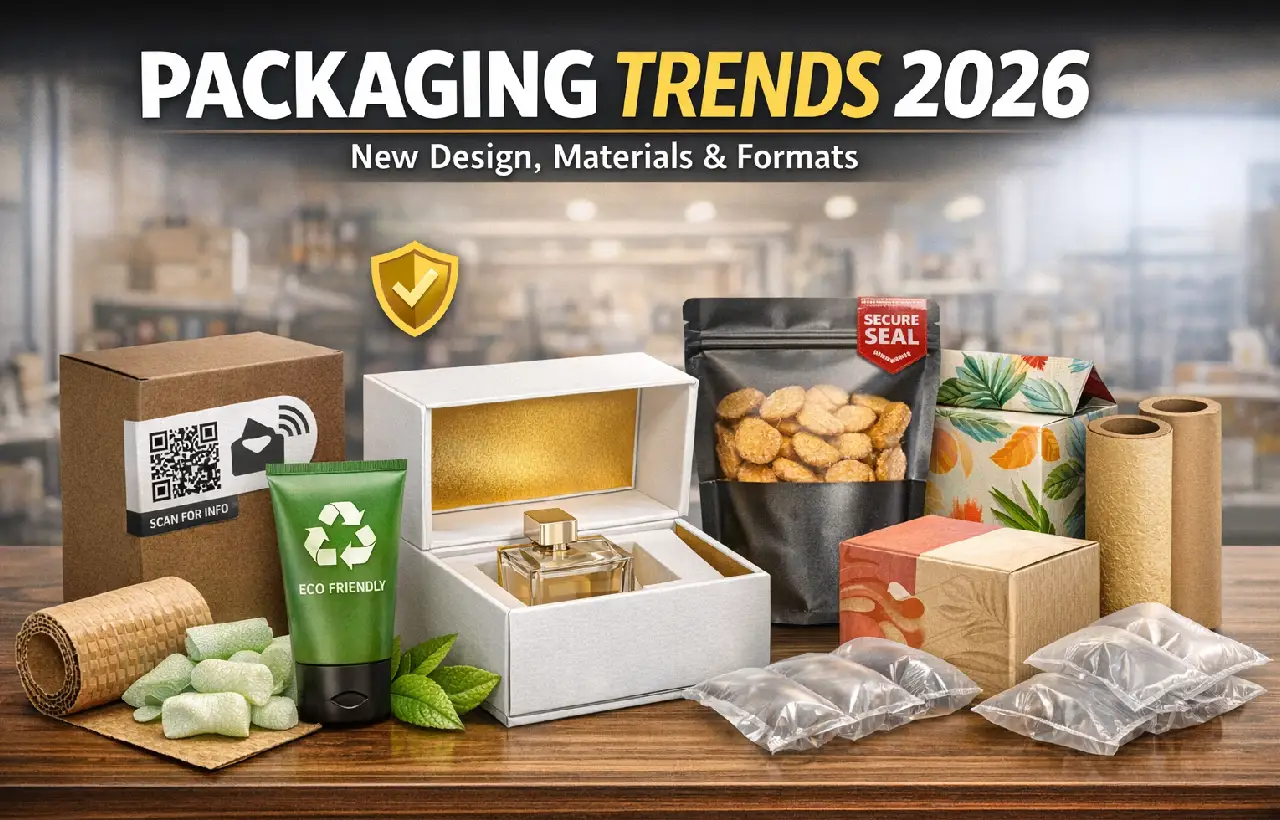
Packaging Trends 2026 hit brands where it hurts: damaged goods, high return rates, and poor shelf visibility that wastes marketing spend. When a box rips, a product leaks, or a package looks cheap, the brand pays for freight, customer service, and lost trust. Retail buyers notice low sell-through. Online sellers see more returns and bad reviews. All of these add real costs to the bottom line. Brands need packaging that protects the product, cuts damage, and helps shoppers choose the right item fast.
Packaging Trends 2026 brings clear answers: better design, smarter materials, and formats made for real use. Smart packaging trends and packaging innovation now tie directly to sales and lower costs. Brands focusing on packaging design trends 2026 use custom printed packaging and shelf-ready packaging to improve retail packaging performance. Sustainable packaging trends 2026 reduce disposal headaches while boosting brand trust. Use of protective packaging solutions, Rigid Box Packaging trends, and flexible packaging trends 2026 all help lower damage and lift conversion. These changes are practical and measurable. Brands that act now reduce returns, win more shelf space, and turn packaging into a sales tool.
First Impressions Matter: Make Your Packaging Pop
Packaging design trends 2026 push clear visuals and simple claims. A bold logo, a short benefit line, and a clean layout get attention faster than busy art. Minimalist packaging design trends work well when the product promise is clear. Product packaging aesthetics matter most at the shelf level and in thumbnail views online.
- Use a single dominant image or icon.
- Keep text to a short benefit line.
- Use tactile finishes like soft-touch or spot gloss to signal quality.
- Match the box interior to the unboxing moment for a premium packaging experience.
These moves raise perceived value and make products feel trustworthy at a glance.
Sustainable Packaging That Builds Trust and Drives Sales
Sustainable packaging trends 2026 no longer sit on the marketing shelf. Consumers now expect Eco-Friendly Packaging Materials and clear packaging sustainability goals. Brands that use recyclable packaging solutions and biodegradable packaging trends reduce friction with eco-conscious buyers. Sustainable choices also often reduce weight and cost over time.
- Swap single-use plastics for fiber-based liners.
- Choose post-consumer recycled board where possible.
- Add clear recycling info on the pack to reduce disposal confusion.
Sustainability drives trust and can unlock better retail placement with buyers focused on ESG.
Custom Formats That Reduce Damage and Increase Shelf Impact
Not every product needs the same box. Use the right form for how the item ships and sells.
- Rigid box packaging trends: Best for luxury goods, fragile items, and gifts. They protect and feel premium.
- Folding carton packaging trends: Ideal for retail shelves and fast-moving consumer goods. Easy to print and cost-effective.
- Flexible packaging trends 2026: Light, compact, and cost-effective for food and cosmetics.
Choosing custom packaging formats that match logistics and display reduces damage, raises shelf impact, and improves the unboxing experience.
Smart Packaging Features That Increase Sales and Reduce Returns
Smart packaging trends are not gimmicks when used right. QR codes, NFC tags, and tamper-evident seals add traceability and interaction. Use smart packaging for loyalty, authentication, or shipment tracking.
- Add a QR for product care or warranty registration.
- Use NFC for high-value items to prove authenticity.
- Include tamper-evident seals where safety matters.
These features increase consumer confidence and can reduce fraud and returns.
Protective Packaging That Cuts Returns and Boosts Profit
Protective packaging solutions should be planned, not improvised. Proper cushioning, tailored inserts, and strong closures reduce damage rates.
- Test packing for common transit stresses.
- Use inserts to secure fragile parts.
- Choose a corrugate grade that matches the product weight.
It costs less to prevent damage than to handle returns and refunds. Protective packaging directly protects revenue and reputation.
Smart Material Choices That Save Money and Build Trust
Packaging material advancements now offer lighter boards, high-strength fiber, and low-impact coatings. Smart material choice can lower freight and protect the product.
- Try coated papers that resist moisture without plastic.
- Use lighter corrugate grades with smarter flutes for the same strength.
- Explore biodegradable packaging trends for mailers and fillers.
Cost-effective packaging solutions should be tested for both protection and recyclability. A material that saves weight but fails in transit is a false economy.
Packaging That Sells Before the Customer Even Picks It Up
Shelf-ready packaging speeds restock and boosts display. Retailers prefer packs that open into neat displays. That convenience often improves sell-through.
- Design cartons that turn into display trays.
- Keep SKU info visible for fast scanning.
- Optimize pack size for pallet efficiency.
Retail packaging performance is judged by sell-through, restocking speed, and ease for store staff.
Packaging That Communicates Your Brand Instantly
Custom printed packaging helps brands say more in less space. A focused message can convert browsers into buyers.
- Use a short benefit headline visible from three feet.
- Place care or use instructions inside the pack to keep the front clean.
- Use consistent brand colors to aid recognition.
Custom printed packaging works best when paired with a strong brand packaging strategy and testing across channels.
Packaging Checks That Save You Money and Hassle
Before a large run, test for transit and shelf conditions.
- Run drop tests and compression tests.
- Measure damage rates in real shipping lanes.
- Test shelf mockups with retail teams.
Data from tests helps pick the best mix of design, materials, and formats.
Fast Decisions Mean Smart Packaging Wins
Consumer packaging behavior shows that buying decisions often happen in seconds. Clear benefits, safe packaging, and ease of opening matter.
- Prioritize clarity over cleverness on the front panel.
- Make unboxing feel simple and rewarding.
- Add clear calls to actions that match the channel (scan for details online; “open here” for physical stores).
This focus reduces returns and builds repeat buyers.
A Step-By-Step Plan to Smarter Packaging Choices
- List product risks: fragility, weight, and moisture.
- Pick formats that match sales channel and shelf needs.
- Choose materials that meet sustainability and protection targets.
- Add smart features only when they drive measurable value.
- Pilot small and track returns, damage, and conversion.
This step-by-step approach keeps changes low-risk and measurable.
Boost Conversions With Clear, Focused Packaging
Design is first about clarity, then emotion.
- Lead with the main benefit.
- Use a short tagline and a clear price space on retail labels.
- Keep imagery relevant to the product use.
These moves reduce decision friction and lift conversion.
Green Packaging Moves That Actually Work
Set simple, measurable targets like percent recyclable content or a plan to remove certain plastics by a date. Actions build credibility.
- Start with mailers and fillers first; they are easy wins.
- Move to fiber alternatives for inner liners and trays.
- Display eco claims clearly and honestly.
Small, credible steps win over vague green claims.
The Right Packaging Partner Can Save Time and Money
A partner with retail experience shortens the time to market. Little Rock Packaging brings tested material options, protective packaging solutions, and production know-how. Working with an experienced supplier reduces development rounds and helps secure retail placement faster.
Quick Packaging Decisions That Improve Profits
- If returns are rising, invest in protective packaging solutions now.
- If shelf visibility is low, simplify the design and boost tactile finishes.
- If customers ask for greener options, start with Recyclable Packaging solutions and clear labeling.
Your 5-Step Packaging Action Plan for Immediate Results
- Audit damage and return costs.
- Pick one SKU to pilot new materials and formats.
- Order a material sample.
- Run a small retail or online test.
- Track conversion and damage for 60 days.
Get Custom Packaging Solutions That Work for Your Brand
- Request a Sample and see the difference.
- Get a Custom Quote for Rigid Boxes or folding cartons today.
- Schedule a 15-minute packaging review to cut damage and returns.
Frequently Asked Questions
Q1: What are the top packaging trends for 2026?
Top trends include sustainable materials, minimalist premium design, smart packaging features, and formats focused on shipping and shelf performance.
Q2: How often should I test my packaging?
Test whenever you change materials, packaging design, or your shipping lanes. Quarterly checks are a strong habit.
Q3: Will recyclable packaging cost more?
Not always. Some recyclable options match traditional costs, and savings from lower weight can offset price differences.
Q4: Which format reduces returns the most?
Formats that secure the product, rigid boxes with inserts for fragile items, and flexible pouches with proper sealing for liquids, cut returns.
Q5: Do smart features actually reduce fraud?
Yes. NFC or secure QR solutions help verify authenticity and lower counterfeit risk for high-value items.
Q6: How do I measure retail packaging performance?
Track sell-through, restock speed, and retailer feedback on display and handling.
Q7: Can small brands use premium packaging without huge cost?
Yes. Smart design choices, targeted tactile finishes, and efficient structures can create a premium feel on a budget.
Q8: What sustainability metrics matter most?
Percent recyclable content, reduction in single-use plastics, and material recovery rates are key.
Q9: Should I change all SKUs at once?
No. Start with high-risk or high-value SKUs and scale based on test results.
Q10: How do I reduce shipping damage quickly?
Use tailored inserts, correct corrugate grade, and test pack configurations in real lanes.